
Introduction
In today’s fast-paced digital world, the importance of cloud computing cannot be overstated. It has become the backbone of modern business operations, powering everything from remote collaboration to artificial intelligence.
Cloud computing enables organizations and individuals to store, manage, and process data over the internet instead of relying on local servers. This approach not only improves efficiency but also reduces costs and enhances scalability.
From global corporations like Amazon and Google to small startups, cloud computing is transforming how we work, learn, and connect. This article explores the key importance of cloud computing, its benefits, types, real-world applications, and future potential.
What Is Cloud Computing?
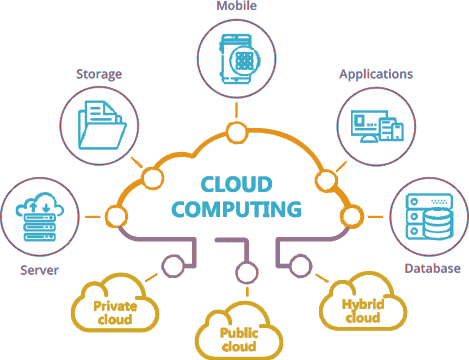
Cloud computing refers to the delivery of computing services — including servers, storage, databases, networking, software, and analytics — over the internet (“the cloud”).
Instead of owning and maintaining physical data centers, users can rent access to technology resources from cloud service providers such as Amazon Web Services (AWS), Microsoft Azure, and Google Cloud Platform (GCP).
Key Features of Cloud Computing
- On-demand self-service
- Broad network access
- Resource pooling
- Rapid elasticity
- Measured service (pay as you go)
The Growing Importance of Cloud Computing
Cloud computing plays a central role in digital transformation. Here’s why it’s so vital:
1. Scalability and Flexibility
Businesses can scale their IT infrastructure up or down according to demand. For example, e-commerce companies handle massive traffic spikes during holidays without investing in additional hardware.
2. Cost Efficiency
Cloud computing reduces capital expenses by replacing physical infrastructure with cloud-based resources. Organizations only pay for what they use.
3. Remote Accessibility
Teams can access data and applications anytime, anywhere, enabling remote work and global collaboration — especially crucial since the COVID-19 era.
4. Enhanced Data Security
Leading cloud providers invest billions in data encryption, compliance, and cybersecurity, ensuring protection beyond what many businesses can achieve on their own.
5. Innovation and Speed
Cloud computing accelerates innovation by providing developers access to scalable platforms, AI tools, and machine learning models.
Table: Cloud Adoption Statistics (2025)
| Metric | Global Value | Yearly Growth |
|---|---|---|
| Global Cloud Market Size | $947 Billion | +18% (CAGR 2024–2028) |
| 80% of Enterprises | Using hybrid/multi-cloud models | Increasing |
| 67% of Workloads | Now on public cloud | Rapid growth |
| 94% of Businesses | Say cloud improves security | Verified trend |
Sources: Gartner, Statista, Forbes Cloud Report 2025.
Types of Cloud Computing
Understanding the types of cloud computing helps explain why it’s so important for different users.
1. Public Cloud
- Hosted by third-party providers (AWS, Azure, Google Cloud)
- Offers scalability and pay-per-use models
- Ideal for startups and small businesses
2. Private Cloud
- Used by a single organization
- Offers higher security and customization
- Common in finance and healthcare sectors
3. Hybrid Cloud
- Combination of public and private models
- Provides flexibility, security, and optimized performance
4. Multi-Cloud
- Uses services from multiple providers
- Avoids vendor lock-in and improves redundancy
Benefits That Highlight the Importance of Cloud Computing
| Benefit | Description | Example |
|---|---|---|
| Cost Reduction | No need for on-site servers | Netflix runs on AWS |
| Security | Advanced encryption & compliance | Microsoft Azure compliance center |
| Accessibility | 24/7 access globally | Google Drive, Dropbox |
| Data Backup & Recovery | Protects from data loss | Cloud disaster recovery solutions |
| Collaboration | Real-time teamwork tools | Microsoft 365, Slack |

Real-World Applications of Cloud Computing
1. Business and Enterprise
Companies use the cloud for data storage, CRM systems, and automation. Platforms like Salesforce and Microsoft Dynamics operate entirely on the cloud.
2. Education
Cloud-based learning platforms like Google Classroom and Coursera allow students and educators to collaborate remotely and access global resources.
Internal Link Suggestion: Top 5 Programs in the USA for Students
3. Healthcare
Hospitals leverage cloud systems for secure electronic health records (EHRs) and telemedicine services.
4. Entertainment
Streaming services such as Netflix and Spotify rely on cloud computing for seamless content delivery and user analytics.
5. Government and Public Sector
Governments use cloud systems for digital identity, citizen data management, and infrastructure transparency.
How Cloud Computing Enhances Business Performance
Cloud computing enables digital transformation by improving agility, reducing downtime, and increasing productivity.
Key Impacts:
- Faster product development and innovation cycles
- Real-time analytics and data-driven decisions
- Simplified IT management
- Scalability during business expansion
Internal Link Suggestion: Top Cybersecurity Tools for Business
List: Common Cloud Computing Services
- Infrastructure as a Service (IaaS) – Provides virtual servers and storage
- Platform as a Service (PaaS) – Supports app development and testing
- Software as a Service (SaaS) – Delivers applications over the web
- Function as a Service (FaaS) – Serverless computing for event-driven functions
Future of Cloud Computing
The future of cloud computing looks promising as it integrates with next-generation technologies like AI, IoT, blockchain, and edge computing.
Trends Shaping the Future
- AI-driven cloud services
- Sustainable and energy-efficient cloud infrastructure
- Quantum computing integration
- Growth of serverless architecture
- Increased demand for multi-cloud security solutions
External Link Suggestion: Gartner Cloud Trends 2025
Cloud Computing in Education and Research
Cloud-based platforms are revolutionizing the education sector by making resources universally accessible. Universities use cloud systems to host online courses, manage data, and collaborate globally.
Internal Link Suggestion: Best Online Bachelor’s Degrees from Accredited USA Universities
Benefits for Students:
- Access to global learning materials
- Collaboration with international peers
- Cost-effective remote education
Challenges in Cloud Computing
Despite its advantages, cloud computing faces some challenges.
1. Security & Privacy Concerns
Storing sensitive data on third-party servers can raise privacy issues, though encryption reduces risks.
2. Downtime & Internet Dependency
Cloud systems rely on strong internet connections; outages can disrupt workflows.
3. Vendor Lock-in
Migrating data between providers can be complex and expensive.
4. Compliance Issues
Industries like healthcare and finance must comply with strict data regulations such as GDPR and HIPAA.
Table: Pros and Cons of Cloud Computing
| Pros | Cons |
|---|---|
| Cost-effective and scalable | Internet dependency |
| Improved collaboration | Potential data breaches |
| Disaster recovery | Vendor lock-in |
| Global accessibility | Compliance challenges |
FAQs About the Importance of Cloud Computing
1. Why is cloud computing important in today’s world?
It allows businesses and individuals to store, process, and access data efficiently while reducing costs and increasing flexibility.
2. How does cloud computing improve data security?
Cloud providers use advanced encryption, firewalls, and compliance standards to protect sensitive data.
3. What are the main advantages of cloud computing for businesses?
Scalability, cost savings, real-time collaboration, and faster deployment are key advantages.
4. Which industries benefit the most from cloud computing?
Healthcare, finance, education, entertainment, and retail sectors gain major benefits from cloud adoption.
5. What is the future of cloud computing?
It will merge with AI, edge computing, and quantum technology to drive digital innovation globally.
Internal Link Suggestions
- Cybersecurity Certification Guide
- Best AI & Data Science Programs in the USA (2025 Rankings)
- Digital Marketing for Beginners
External Link Suggestions
- Microsoft Azure Official Website
- Amazon Web Services (AWS)
- Google Cloud Platform
- Statista Cloud Market Data
Conclusion
The importance of cloud computing lies in its ability to reshape industries, accelerate innovation, and enable global connectivity. As technology evolves, the cloud will continue to serve as the foundation for digital transformation, artificial intelligence, and data-driven decision-making.
For businesses, students, and professionals alike, understanding and adopting cloud computing is no longer optional — it’s essential for staying competitive in the modern world.